

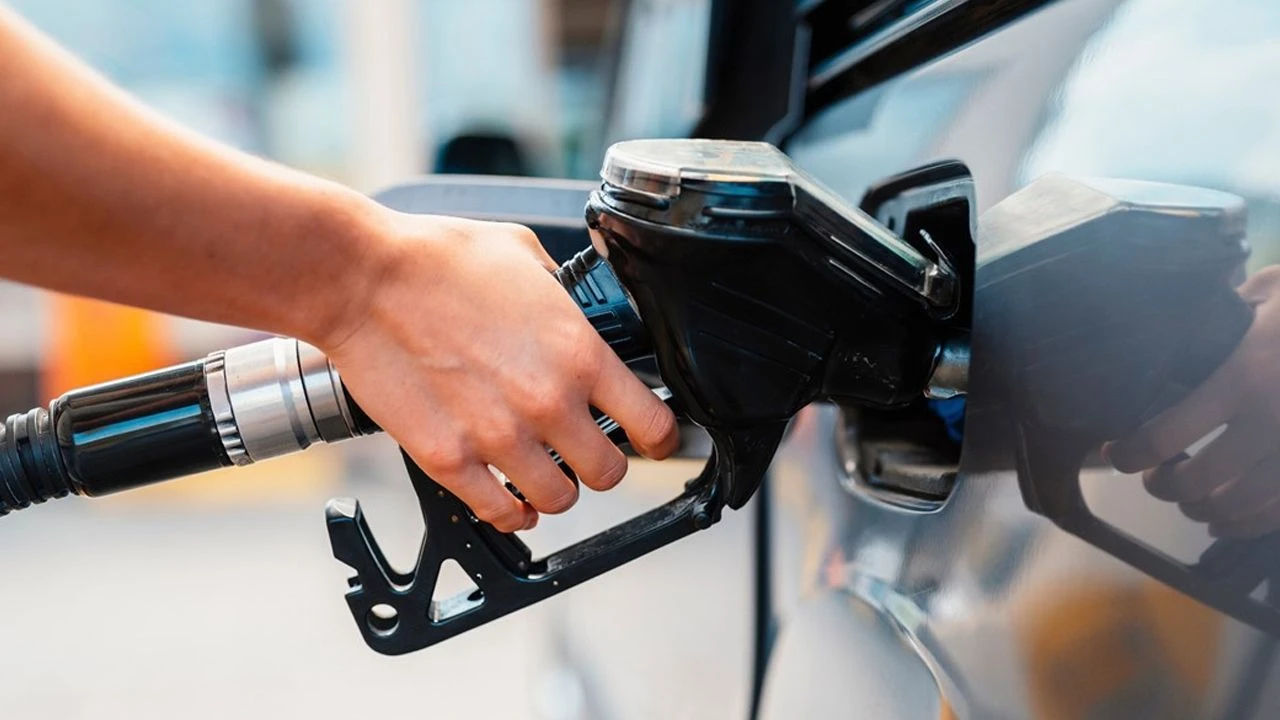
One of the most important factors affecting the cost of car rental is fuel policies. Most customers focus only on the daily or weekly rental price; however, when the fuel policy is ignored, unexpected extra expenses may occur. Rental companies offer different fuel policies, each with its own advantages and disadvantages. Therefore, knowing which fuel policy suits you before renting allows you to manage both your budget and time more efficiently.
Fuel policies define the tank status of the rental car at the time of pick-up and return. These policies can cause additional costs beyond the rental fee.
For example, in the full to full policy (pick up with a full tank and return full), you only pay for the fuel you actually consume. In the full to empty policy (pick up full and return empty), you may have to pay for unused fuel. Therefore, making a reservation without knowing the fuel policy can create unnecessary costs, especially for short-term rentals.
In addition, fuel policies affect not only cost but also the user experience. Customers who do not want to deal with fuel issues during holidays or business trips can enjoy a more stress-free journey by choosing the most suitable policy.
Full to full is one of the most common and fairest fuel policies in car rental. In this system, the customer receives the car with a full tank and returns it full.
Advantages:
Example scenario: If you rent a car from Antalya with a full to full policy and drive to Istanbul, you only pay for the fuel you use during the trip. Before returning the car, you refill the tank, and no extra cost occurs.
In the full to empty policy, the car is delivered with a full tank and the customer is not expected to refill it upon return. At first glance, it looks convenient, but most of the time it is disadvantageous.
Disadvantages:
Example: A customer renting a car for a 3-day holiday may use only half of the tank. However, no refund is given for the remaining fuel. This clearly shows why the full to empty policy is disadvantageous.
The prepaid fuel option is a relatively new alternative offered by some companies. The customer pays for a set amount of fuel in advance, and the tank level is not checked upon return.
Advantages:
Disadvantages:
Car rental price is usually calculated based on daily or weekly rental fees. However, fuel policies directly affect the total cost. Customers often make the mistake of focusing only on the rental fee and ignoring the fuel policy.
In full to full, you pay only for the fuel you use. In full to empty, you pay in advance for a full tank even if you don't use it all. In prepaid fuel, you may save time, but companies usually set the fuel price higher than the market, increasing total costs.
For long-distance journeys, the right fuel policy is crucial for both budget and convenience. This decision directly affects the total cost of your trip.
Full to full is the most advantageous for long trips since you only pay for what you use. Full to empty may work if you are certain you will consume the entire tank. Prepaid fuel is convenient for late-night returns, but usually more costly.
Mistakes:
Avoidance tips:
Choosing the right fuel policy makes your car rental more transparent, economical, and stress-free.